Wrexham, a town once better known for its coal dust and economic decline, now basks in rare sunlight—both literal and metaphorical. The skies aren’t just clearer; the mood has lifted. A football club once on the brink of extinction now headlines global sports news. And it wasn’t government policy or industrial rebirth that turned the tide—it was Hollywood.
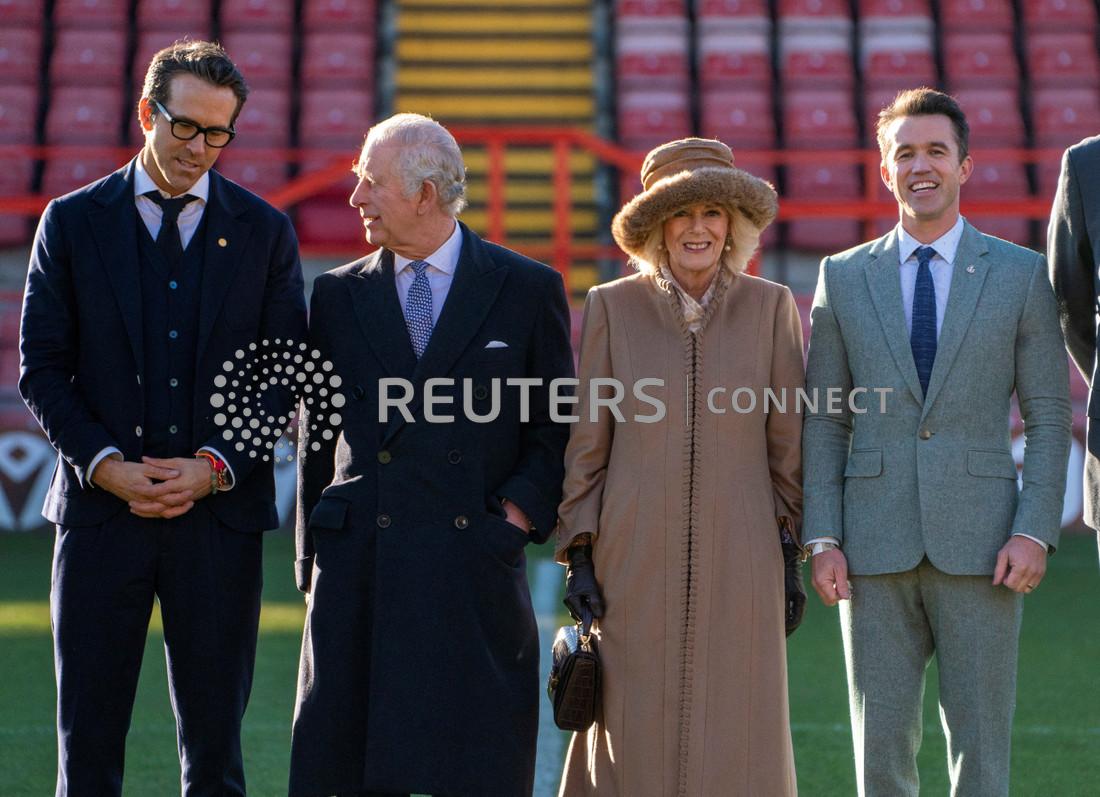
When actors Ryan Reynolds and Rob McElhenney bought Wrexham AFC in 2021, skeptics dismissed it as a celebrity vanity project. But what followed wasn’t a publicity stunt. It was a meticulous, emotionally charged urban revival powered by storytelling, investment, and deep respect for local identity.
This isn’t just about football. It’s about how two outsiders saw potential where others saw stagnation—and how their vision ignited a cultural and economic reawakening in North Wales.
From Obscurity to Global Spotlight
Wrexham AFC, founded in 1864, holds the title of the oldest professional football club in Wales. Yet for decades, its story was one of underachievement and instability. Relegated from the English Football League in 2008, it spent years in the National League—football’s fifth tier—with dwindling crowds, aging infrastructure, and fading relevance.
The club wasn’t just struggling on the pitch; it mirrored the town. Wrexham, historically reliant on manufacturing and mining, faced high unemployment, low investment, and a perception of being left behind. The Racecourse Ground, once packed with passionate fans, often echoed with silence.
Then, two TV stars from across the Atlantic changed everything.
Ryan Reynolds—Hollywood A-lister known for Deadpool—and Rob McElhenney—creator of It’s Always Sunny in Philadelphia—stepped in with an unconventional pitch: buy the club, document the journey, and rebuild it from the ground up. Their documentary series, Welcome to Wrexham, became a surprise hit on FX and Disney+, drawing millions of viewers worldwide.
But the cameras didn’t just capture drama—they catalyzed transformation.
More Than a Club: A Community Reborn
The real impact of Reynolds and McElhenney’s arrival wasn’t immediate on-field success (though promotion to League Two in 2023 helped). It was the restoration of civic pride.
Before the takeover, matchdays were quiet affairs. Local businesses saw little benefit. Now, the Racecourse buzzes with energy. Fans fly in from the U.S., Europe, and beyond. Hotels fill up. Pubs report record takings. The club’s shop sells out of merchandise faster than it can be restocked.
But the investment went deeper than footfall.
The owners funded a complete overhaul of the stadium’s hospitality areas, upgraded training facilities, and launched a community outreach foundation. They reinstated the women’s team, invested in youth academies, and prioritized hiring locally. Unlike traditional owners who treat clubs as assets, Reynolds and McElhenney treated Wrexham AFC as a public trust.
Local resident Lisa Evans, a lifelong fan, puts it simply: “For years, people were ashamed to say they were from Wrexham. Now, we walk taller. The club is back, and so are we.”
The Hollywood Model: Storytelling as Strategy
What sets Wrexham apart is the fusion of entertainment and sport. Reynolds and McElhenney didn’t just buy a football club—they built a narrative universe around it.

Welcome to Wrexham isn’t a dry sports doc. It’s character-driven, emotionally raw, and unafraid to expose the struggles of small-town life. It humanizes players, staff, and fans, turning Saturday matches into emotional crescendos. The show has drawn comparisons to Friday Night Lights—but with real stakes and real people.
This storytelling approach has practical benefits:
- Global fan acquisition: Over 30,000 international season tickets were sold in the first year post-takeover.
- Sponsorship appeal: Companies like Celsius and UnBabel signed multi-year deals, attracted by the club’s viral reach.
- Media leverage: Reynolds used his social media clout (over 17 million Instagram followers) to spotlight Wrexham, generating millions in free publicity.
Critics argue this is celebrity-driven hype. But the owners have avoided the pitfalls of ego. They don’t interfere with team selection. They defer to football experts. And they’ve made it clear: their goal is sustainability, not silverware at all costs.
Economic Ripples: Tourism, Jobs, and Confidence
Wrexham wasn’t just lacking a winning team—it lacked confidence. The Hollywood takeover provided a psychological shift that preceded any economic one.
Local businesses report a 40–60% increase in revenue on matchdays. The council has fast-tracked plans for a cultural quarter near the stadium. A new hotel is under construction. Even property prices in the town center have ticked upward.
More importantly, the narrative around Wrexham has changed. It’s no longer a punchline. It’s a case study in post-industrial revival.
Consider these real-world impacts:
- Job creation: Over 50 new roles were added at the club and affiliated businesses.
- Skills development: The club partnered with Coleg Cambria to launch apprenticeships in sports management and hospitality.
- Tourism boost: Visit Wales reported a 35% increase in visits to Wrexham in 2023 compared to 2020.
This isn’t just “trickle-down” economics. It’s targeted investment guided by narrative momentum. Hollywood didn’t just bring money—it brought attention, and attention brings opportunity.
Challenges and Realities: Not All Sunshine
Despite the optimism, challenges remain.
Promotion to the Football League was historic, but survival is harder. Wrexham now faces better-funded, more established clubs. Player retention is an issue—talented signings attract interest from higher divisions, and the club lacks the budget to compete.
There’s also the risk of over-reliance on celebrity. What happens if Reynolds and McElhenney lose interest? Or if the documentary gets canceled? The club’s commercial success is still tied closely to their star power.
Some locals worry about gentrification. Rising prices and outside attention could push long-time residents to the margins. There’s a delicate balance between regeneration and displacement.
And while the club has invested in infrastructure, long-term sustainability depends on developing revenue streams beyond matchdays and sponsorships. Ticket prices have risen, and some loyal fans feel priced out.
The owners acknowledge these risks. In interviews, McElhenney has stressed the need to build a self-sustaining model. “We’re not here for five years,” he said. “We’re here for fifty.”
The Wrexham Blueprint: Can It Be Replicated?
The Wrexham story has inspired other struggling clubs to seek alternative ownership models. But few have the access to Hollywood-level capital and media influence.
Still, key lessons are transferable:
- Authentic storytelling builds deeper fan connections than traditional marketing.
- Community trust is earned through transparency and local hiring.
- Digital presence isn’t optional—it’s central to modern club growth.
Smaller clubs like Bury FC and Darlington have explored fan ownership or documentary partnerships. While none have matched Wrexham’s scale, the model has proven that emotion and narrative can drive real-world outcomes.
The difference? Reynolds and McElhenney didn’t just invest money—they invested credibility. Their celebrity opened doors, but their humility kept them grounded.
Beyond Football: A Symbol of Hope
Wrexham’s revival is about more than sport. It’s about what happens when a community is seen—not as a statistic, but as a story worth telling.
The town still faces challenges: underfunded public services, aging infrastructure, and regional inequality. But for the first time in decades, there’s momentum.
People are coming back. Young professionals are staying. Local pride is resurgent. The phrase “It’s finally sunny in Wrexham” has become a metaphor—not just for weather, but for a long-overdue shift in fortune.
This isn’t just a football fairytale. It’s a case study in how culture, media, and community can intersect to create real change.
What’s Next for Wrexham?
The immediate focus is football: consolidating in League Two, building a competitive squad, and aiming for back-to-back promotions. Off the pitch, the club is expanding its commercial arm, exploring international friendlies, and developing a football academy with UEFA accreditation.
Long-term, the vision is to make Wrexham a self-sustaining club with global reach but local roots.
The Hollywood chapter is still being written. But one thing is clear: Wrexham is no longer invisible. It’s a town reborn—not because of a miracle, but because two outsiders believed in its story.
If you’re leading a community project, running a small club, or trying to revive a forgotten place, take note: sometimes, all it takes is someone to say, “This matters.”
Start with respect. Tell the truth. And never underestimate the power of a good story.
FAQ
Why did Ryan Reynolds and Rob McElhenney choose Wrexham? They wanted a historic club with a strong local identity and untapped potential. Wrexham’s underdog status and rich heritage made it the perfect narrative fit.
Has Wrexham AFC been promoted since the takeover? Yes. In 2023, Wrexham won the National League title and returned to the English Football League after a 15-year absence.
Is the documentary Welcome to Wrexham still being made? Yes. As of 2024, the series has been renewed for multiple seasons, with new episodes following the club’s journey in League Two.
Are Reynolds and McElhenney involved in day-to-day operations? No. They act as owners and strategists but leave football decisions to the manager and sporting director.
Has the takeover led to gentrification in Wrexham? Some locals report rising prices near the stadium, but the owners have emphasized inclusive growth and community programs to mitigate displacement.
How has the local economy benefited? Matchday revenues for local businesses have surged, tourism has increased, and new jobs have been created in hospitality, retail, and sports management.
Can other small clubs replicate Wrexham’s success? Elements can be copied—like storytelling and community engagement—but the Hollywood factor is unique. The real takeaway is authenticity, not celebrity.
FAQ
What should you look for in It’s Finally Sunny in Wrexham: Hollywood’s Gamble on a Welsh Town? Focus on relevance, practical value, and how well the solution matches real user intent.
Is It’s Finally Sunny in Wrexham: Hollywood’s Gamble on a Welsh Town suitable for beginners? That depends on the workflow, but a clear step-by-step approach usually makes it easier to start.
How do you compare options around
It’s Finally Sunny in Wrexham: Hollywood’s Gamble on a Welsh Town? Compare features, trust signals, limitations, pricing, and ease of implementation.
What mistakes should you avoid? Avoid generic choices, weak validation, and decisions based only on marketing claims.
What is the next best step? Shortlist the most relevant options, validate them quickly, and refine from real-world results.