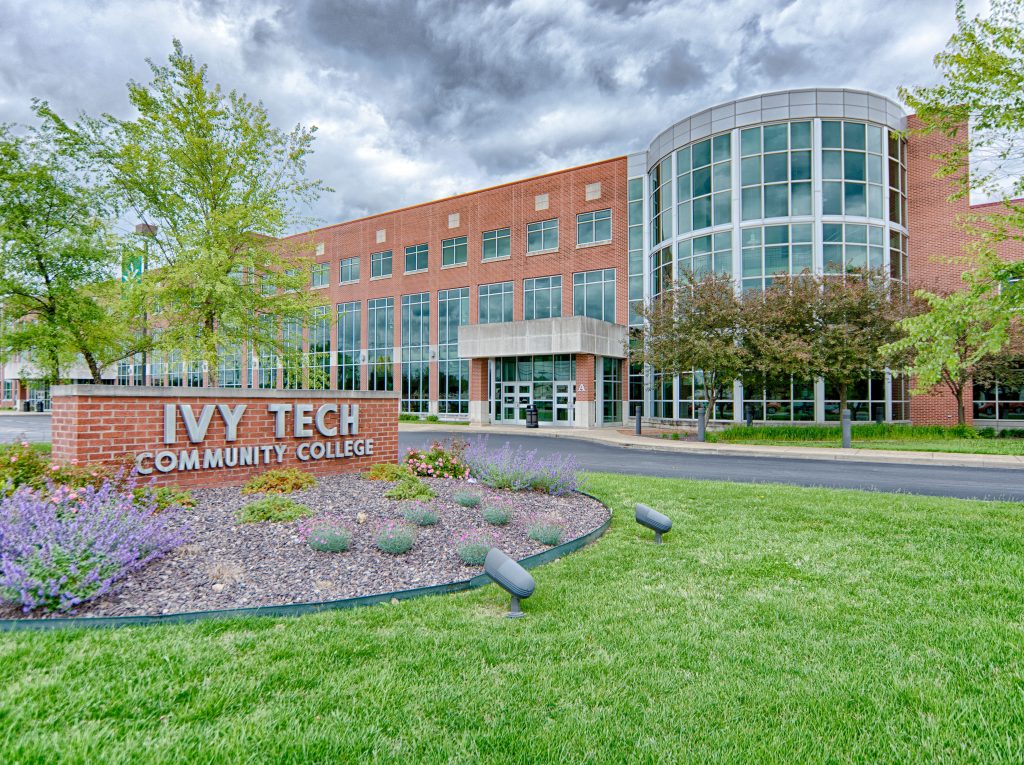
Warsaw isn’t just Poland’s political and economic center—it’s a magnet for young talent. At the core of this shift is Campus Warsaw, a dynamic ecosystem where students, freelancers, and tech entrepreneurs converge. Far more than just a physical space, Campus Warsaw represents a cultural pivot: education no longer ends at the lecture hall. It spills into co-working zones, hackathons, and networking nights that blur the lines between academia and real-world innovation.
This isn’t a corporate incubator tucked away in a business district. Campus Warsaw thrives on accessibility, energy, and grassroots momentum. Whether you're a first-year economics student looking for study space or a founder testing a fintech MVP, this environment adapts to your pace.
Let’s break down what makes Campus Warsaw more than just a trendy address.
What Is Campus Warsaw—And Why It Matters
Campus Warsaw isn’t a single university or building. It’s a concept—a cross-network of learning, working, and creating centered around student-driven innovation. Think of it as Warsaw’s academic downtown: not officially governed by any one institution, but shaped by them all.
Key players include: - Warsaw University of Technology - University of Warsaw - SGH Warsaw School of Economics - Vistula University - SWPS University
These schools feed talent into Campus Warsaw’s orbit, but the real growth happens in the informal spaces between lectures: pop-up workshops in co-working lounges, pitch sessions at student-run accelerators, and language exchange meetups in campus cafes.
The shift is clear: students don’t just want degrees. They want experience, connections, and the chance to build something before they graduate. Campus Warsaw delivers that.
Student Life Beyond the Lecture Hall For international and local students alike, Campus Warsaw offers a lifestyle upgrade. Traditional dorms and packed libraries are still part of the equation, but new models are rising.
Consider Novotel Warszawa Centrum, which hosts student co-living spaces during peak seasons, or Slozanka Student Village, one of the largest student housing complexes in Europe—complete with shared kitchens, study pods, and 24/7 security.
But amenities are just the start.
Real example: A computer science student from Nigeria rents a room in Slozanka, attends classes at Warsaw University of Technology, spends afternoons at WeWork Plac Unii co-working space (student discount: 30%), and joins a weekly AI study group hosted by a local startup. That’s the Campus Warsaw lifestyle—fluid, self-directed, and globally connected.
Common pitfalls? - Overlooking non-academic skill-building (public speaking, project management) - Staying isolated within one university bubble - Missing out on networking because “I’m not ready yet”
The truth? Campus Warsaw rewards initiative. Show up, even as an observer, and doors open.
Co-Working Spaces That Fuel Student Productivity
You can’t talk about Campus Warsaw without mentioning its co-working culture. These aren’t just places to plug in a laptop. They’re launchpads.
The best spaces offer: - Student rates (often 20–50% off standard pricing) - Free trial days - Event access (workshops, founder talks) - Community managers who connect members
Here are five top co-working spaces embedded in the Campus Warsaw ecosystem:

| Name | Location | Student Rate | Perks |
|---|---|---|---|
| WeWork Plac Unii | Śródmieście | ~199 PLN/month | Global network access, free coffee, legal startup clinics |
| Orbis Office Lab | Powiśle | ~250 PLN/month | Mentorship programs, pitch practice nights |
| HUB Warsaw | Praga District | ~180 PLN/month | Eco-focused, nonprofit-friendly, bilingual events |
| Impact Hub Warsaw | Wola | ~220 PLN/month | Strong social impact community, EU grant workshops |
| K11 Coworking | City Center | ~150 PLN/month | Budget-friendly, 24/7 access, startup weekends |
Pro tip: Many of these spaces partner with universities. Check your student portal—your school might cover part of the membership.
Limitation? Some spaces fill up fast during exam season. Book early or explore off-peak hours.
Campus Warsaw and the Startup Pipeline
Poland’s startup scene is booming—and Campus Warsaw is feeding it.
Every semester, student teams from SGH and Warsaw Tech enter competitions like Startup Poland’s Student Accelerator or Hack Yeah, Central Europe’s largest hackathon. Winning teams often land in incubators hosted at Campus Warsaw-affiliated spaces.
Take MediQ, a student-founded health-tech app developed during a 48-hour hackathon at HUB Warsaw. Within nine months, the team secured pre-seed funding and joined Impact Hub’s accelerator. Today, MediQ connects patients with Polish-speaking doctors abroad.
This isn’t luck. It’s infrastructure.
Campus Warsaw supports startups through: - No-code training (e.g., Webflow, Bubble workshops) - Legal clinics (free IP and incorporation advice) - Investor mixers (monthly "Elevator Pitch Nights") - Micro-grants (up to 5,000 PLN for MVP development)
But beware: not every idea needs to be a startup. Some students fall into “hustle theater”—attending event after event without shipping anything.
Focus on building, not just networking.
Events That Define the Campus Warsaw Calendar
The pulse of Campus Warsaw beats loudest during its events. These aren’t corporate seminars. They’re informal, bilingual, and student-accessible.
Here are recurring highlights:
- Tech Tuesdays – Weekly talks at WeWork Plac Unii: past speakers include CTOs from Allegro and Revolut Poland.
- Startup Saturday – Monthly pitch practice + mentorship at Orbis Office Lab.
- LangSwap Warsaw – Informal language exchange: pair Polish with English, German, or Korean over coffee.
- Women in Tech @ Campus – Quarterly networking dinner + panel discussion.
- Open Source Fridays – Hack sessions focused on contributing to public codebases.
Example: A psychology student attends LangSwap, practices English, meets a developer from Ukraine, and collaborates on a mental health chatbot prototype. That project becomes her thesis—and gets showcased at Startup Saturday.
Mistake to avoid? Treating events as passive experiences. Bring a notebook, ask questions, exchange contacts. Follow up within 24 hours.
How International Students Tap Into Campus Warsaw
If you’re arriving from abroad, Campus Warsaw can feel overwhelming. But it’s also your fastest route to integration.
Most universities assign international student mentors. Use them—but go further.
- Steps to connect fast:
- Join Erasmus Warsaw (active Facebook group with 12K+ members)
- Attend the International Student Welcome Week (hosted every October)
- Sign up for a co-working trial day
- Volunteer at a Campus Warsaw event (instant community access)
- Use University Buddy Programs (e.g., SGH’s Peer Mentorship)

Real case: A Brazilian exchange student at Vistula University used a free week at K11 Coworking to launch a podcast on cross-cultural learning. Within two months, she had 20 episodes, local sponsors, and an invitation to speak at Tech Tuesday.
Language barrier? Most Campus Warsaw events are bilingual (Polish/English). Technical and startup content is almost always in English.
Universities as Anchors of the Campus Ecosystem
While Campus Warsaw is decentralized, universities act as anchors. They provide legitimacy, space, and academic credibility.
SGH Warsaw School of Economics, for example, hosts the SGH Venture Lab, which partners with Impact Hub to offer student incubation. Warsaw Tech runs MIM UW’s Hacker Space, where engineering students build robotics prototypes.
But not all schools participate equally.
| University | Strong in | Limited in |
|---|---|---|
| Warsaw University of Technology | Engineering, AI, Robotics | Soft skills training |
| University of Warsaw | Social sciences, policy | Startup mentorship |
| SGH Warsaw School of Economics | Fintech, business models | Technical development |
| Vistula University | International programs, design | Local industry ties |
| SWPS University | Psychology, UX research | Tech integration |
Students should assess their university’s strengths—and fill the gaps using Campus Warsaw’s external network.
Navigating Challenges in the Campus Warsaw Scene
No ecosystem is perfect. Campus Warsaw has real limitations.
Common issues: - Fragmentation: No central directory of events or spaces - Access gaps: Some programs exclude non-university-affiliated learners - Language inconsistency: While many events are in English, local sponsors often prefer Polish - Short-term focus: Many student projects die after graduation
Workflow tip: Create a “Campus Warsaw Dashboard” in Notion or Google Sheets. Track: - Upcoming events - Co-working trial dates - Mentor contacts - Project deadlines
Also, don’t wait for permission. If you see a gap—a lack of design-focused meetups, no mental health support for founders—start something. Campus Warsaw rewards initiative.
Final Thoughts: Make Campus Warsaw Work for You
Campus Warsaw isn’t a place you visit. It’s a mindset you adopt.
It’s about treating your student years as a launch period—not just for a career, but for a network, a skillset, and a track record of building.
You don’t need funding, a team, or a polished idea to start. You need curiosity, consistency, and the willingness to show up.
Go to one event. Book a co-working trial. Talk to someone outside your major.
The rest follows.
FAQ
What is Campus Warsaw? Campus Warsaw refers to the interconnected network of universities, co-working spaces, and student-driven innovation hubs in Warsaw, Poland.
Is Campus Warsaw a physical location? Not a single one—it’s a decentralized ecosystem spanning multiple districts, primarily Śródmieście, Powiśle, and Wola.
Can international students join Campus Warsaw events? Yes. Most events are open, bilingual, and actively encourage international participation.
Are there free co-working options for students? Some spaces offer free trial days (e.g., 3–7 days at WeWork), and universities sometimes provide subsidized access.
How do I find Campus Warsaw events? Check event platforms like Meetup.com, Facebook groups (e.g., “Expats in Warsaw”), and university bulletin boards.
Can I start a project without being enrolled in a university? Yes. While many programs prioritize students, spaces like HUB Warsaw and Impact Hub welcome independent founders.
What makes Campus Warsaw unique compared to other European student hubs? Its low cost of entry, high energy, and blend of technical rigor (from top engineering schools) with growing startup support.
FAQ
What should you look for in Campus Warsaw: A Hub for Students and Innovation? Focus on relevance, practical value, and how well the solution matches real user intent.
Is Campus Warsaw: A Hub for Students and Innovation suitable for beginners? That depends on the workflow, but a clear step-by-step approach usually makes it easier to start.
How do you compare options around Campus Warsaw: A Hub for Students and Innovation? Compare features, trust signals, limitations, pricing, and ease of implementation.
What mistakes should you avoid? Avoid generic choices, weak validation, and decisions based only on marketing claims.
What is the next best step? Shortlist the most relevant options, validate them quickly, and refine from real-world results.